Publié le 10 Novembre 2021

On le sait, la broderie faisait partie intégrante au XVIIIe siècle de l'éducation des petites filles, destinée avant tout à leur apprendre l'art de marquer leur linge, et pour certaines à écrire et à compter. On s'émerveille aujourd'hui devant la complexité des travaux réalisés par ces très jeunes filles. Mais pour ces dernières, broder était-il un pensum ou une activité de détente ? Et comment étaient perçus par les adultes ces obligatoires travaux d'aiguilles ? Un indice nous a été laissé dans l'ouvrage de Dorothy Kilner, Dialogue and Letters on morality, oeconomy and politeness for the improvement and entertainment of young female minds, publié à Londre en 1780. Je vous ai déjà parlé de cet ouvrage à propos du sampler de Jane Brown, dont le texte brodé reprenait un poème publié dans le volume III. Je vous laisse jeter un œil à nouveau à cet article pour vous remettre le contexte en mémoire. Dans le volume I de cette publication (p. 22-23), Mrs Seamore écrit à sa fille Harriot, alors en séjour chez sa tante. Après l'avoir vertement tançée pour ne pas avoir écrit à ses parents, Mrs Seamore raconte à sa fille une visite chez Mrs Hutchins.


It is a truth universally acknowledged... that learning to embroider was a substantial part of young girls' education in the 18th century. By doing so not only were they able to learn how to mark their linen, but for some of them it was also a way to learn their letters and numbers. We can't help but marvel today at the amount of work and dedication these little girls put into their works. Back then though, how do you think they saw it? Was it some kind of chore, or a pleasant way to spend a few hours? And how did adults see these inescapable needleworks? A clue has been left behind for us in Dorothy Kilner's Dialogue and Letters on morality, oeconomy and politeness for the improvement and entertainment of young female minds, published in London in 1780. I already mentionned this series of books in my post about Jane Brown's sampler. I you recall, Jane had picked up a poem published in Dorothy's book (volume III) to stitch on her sampler. Have a quick look at this post as a reminder of the book's context. In volume I, p.22-23, Mrs Seamore writes to her daughter Harriot who is spending a few days at her aunt's house. Mrs Seamore begins by dressing down Harriot for not having written to her yet, then proceeds by telling about a visit paid to Mrs Hutchins.

Dorothy Kilner 1755-1836


A propos de cette visite, Mrs Seamore évoque un sampler brodé par Mrs Hutchins quand elle était jeune. Verdict sans appel de Mrs Seamore : que de temps perdu à broder TOUS ces moutons et ces boutons de rose ! Un ou deux abécédaires auraient amplement suffi !

Mrs Seamore mentions a sampler Mrs Hutchins embroidered when she was a little girl and the verdict is irrevocable: far too many sheep and rose buds, such a waste of time! A couple of alphabets would have met the purpose.


'Thursday we drank tea with Mrs. Hutchins, who was extremely obliging, and took great pains to amuse and entertain your sister. Mrs. Hutchins shewed us a sampler she worked when she was a girl at school. You would be surprised to see what a prodigious quantity of work there is in it, and hurt, I dare say, to think how much time must have been spent upon it, which might have been infinitely more profitably employed; for I know not any one use the sampler is, or ever has been of, excepting that of teaching her to mark; and for that purpose the one you worked, with both the alphabets in it, did equally well. Mrs. Hutchins's contains not only the alphabets, but strawberry rows, and rose-buds out of number; besides which, there is a shepherd and shepherdess sitting under a large tree watching their flock, which consists of twelve sheep and four goats, (for I counted them) and then at the bottom of all, is worked the ten commandments.'


"Jeudi nous avons pris le thé chez Mme Hutchins, elle a été extrêmement obligeante et a pris grand soin d’amuser et de divertir ta sœur. Mrs Hutchins nous a montré un sampler qu’elle a brodé à l’école quand elle était petite fille. Tu serais surprise de voir l’énorme quantité de travail qu’il y a dans cet ouvrage, et je dois dire que cela me chagrine de penser que tout le temps qui y a été passé aurait pu être employé de façon infiniment plus profitable. En effet je ne connais d’autre utilité au sampler, autrefois comme aujourd’hui, que d’apprendre à marquer son linge ; et pour ce faire, celui que tu as brodé, avec ses deux alphabets, a tout aussi bien rempli son rôle. Celui de Mrs Hutchins contient non seulement des alphabets, mais aussi des rangées de fraisiers et un nombre incalculable de boutons de roses ; en plus de tout cela on y voit un berger et une bergère assis sous un grand arbre à surveiller leur troupeau, qui est composé de douze moutons et de quatre chèvres (je les ai comptés), et dans le bas sont brodés les dix commandements". (trad EB)


Margaret Laskey, Philadelphia, Pennsylvania, 1795 - (c) Samplings


Mary Poynton, 1795 - (c)Madalena.com


"Brode-moi un mouton" (ou deux, ou douze !)


Les dix commandements/ The ten commandments, 1749, Metropolitan Museum of Art


Miss Hutchins, par contre, fait beaucoup mieux ! Non seulement les écrans (voir l'article de Meriem sur ce sujet) sont utiles, mais sa broderie est éducative. On joint donc l'utile à l'utile, et Mrs Seamore est contente.

Mrs Hutchins on the other hand is doing much better! Not only are screens useful (see Meriem's post on the subject), what she embroiders has an educational touch to it. Killing two birds with one stitch...


'Miss Hutchins is working a screen at present, which I think appears to me much more useful labor than her mother's sampler. It is worked in the form of the map of England: the different counties done with different coloured silk, and in the middle of each the name of the county, so she is not only doing what will be of some use by being made into a handsome screen, but at the same time learning very perfectly the shape of the counties, in what manner they join each other, and their different situations: a very necessary piece of knowledge for every English woman to be perfectly acquainted with. I think in a little while you will like to work such a one; and so perhaps will your sister; and I am sure your papa and I shall much like to have our screens adorned with our dear girl's performances. The paper begins to look a little shabby, and by the time you have both compleated such a task, it will be quite ready for a new cover.'


"Miss Hutchins est en train de broder un écran, ce qui me semble être un travail beaucoup plus utile que celui de sa mère. Le motif représente une carte de l’Angleterre : les différents comtés sont faits avec différentes couleurs de soie, et au milieu de chacun est inscrit le nom du comté, ainsi non seulement elle confectionne un ouvrage utile sous la forme d’un élégant écran, mais en même temps elle apprend de façon très excellente la forme de chaque comté, quel comté voisine avec quel autre, ainsi que leur localisation : un savoir tout à fait nécessaire avec lequel toute femme anglaise se doit d’être parfaitement familière. Je pense que dans quelques temps tu auras à cœur de réaliser un tel ouvrage ; peut-être que ta sœur le souhaitera aussi, et je suis sûre que votre papa et moi apprécieront beaucoup de voir nos écrans ornés des réalisations de nos chères filles. Le papier commence à être un peu abimé, et d’ici le moment où vous aurez terminé un tel travail, il sera temps de mettre une nouvelle feuille". (trad EB)


Les broderies représentant des cartes géographiques sont bien connues à cette époque.

Geographical maps as embroidery pattern are not rare at this period.

Ann Rhodes, 1780 - The Victoria and Albert Museum

Sarah Dawson, 1798 - Metropolitan Museum of Art


On en trouve même des modèles dans des magazines féminins.

Map pattern for embroidery purpose are available in ladies' magazines.

A correct map of England adapted to the use of the ladies. The Lady's Magazine, vol. 7 (1776)

(c)The lady's magazine website


Il reste à espérer que toutes les mères n'étaient pas comme Mrs Seamore et les petites filles qui ont brodé tous ces extraordinaires samplers ont reçu à l'époque tous les compliments qu'elles méritaient !

I just hope that all mothers were not like Mrs Seamore and that the little girls who embroidered all these breathtaking samplers back then were given all the compliments they deserved.


A bientôt !

Voir les commentaires

Rédigé par Emmanuelle

Publié dans #Marquoirs anciens

Publié le 8 Mars 2021

Apparue à la fin du XVIe siècle, la poupée de mode, destinée avant tout aux adultes, est une ambassadrice de la mode, circulant à travers les cours européennes et la noblesse, reflétant l'évolution des costumes et favorisant le négoce local et les exportations. C'est particulièrement le cas au XVIIIe siècle où, sous l'appellation de "pandores", elles sont très répandues avant leur quasi-abandon à la fin du siècle. Avec le développement de la bourgeoisie aisée durant le Second Empire (1852-1870), les poupées de mode, dites aussi "Parisiennes", font un retour en force et se multiplient. Leurs tenues, qu'elles aient été cousues par la couturière de la famille, les maisons de haute-couture ou par la fillette dont elles servaient l'éducation, témoignent des usages vestimentaires très codifiés et de la nécessité d'un apprentissage des codes sociaux dès le plus jeune âge.

Fashion dolls first appeared at the end of the 16th century; they were manufactured to display the evolution of fashion throughout European courts and therefore were not intented as toys. They were used by seamstresses and merchants to be displayed in their shop windows and sent abroad to boost their trade. This was particularly the case during the 18th century, when these collectible dolls were called "pandoras", but they fall into disuse by the end of the century. During the "Second Empire" period in France (1852-1870), the emergence of a rather well-off Bourgeoisie favours the come-back and the increasing number of fashion dolls, called "Parisiennes" as a reference to the importance of Paris as the capital of fashion. Their outfits, whether they were sewn by Haute-Couture workshops, by the family seamstress or by the little girl whose education they were used for, testify to highly codified dressing rules and the necessity of an early apprenticeship of social codes.


Cette tenue, haute de 30 cm environ, est composée d'une jupe et d'un corsage à plis et basques en laine. La présence d'une tournure derrière la jupe et d'un pan de plis horizontaux sur le devant permet  de la dater du début des années 1880. 

This outfit, about 30cm high, is composed of a woolen walking skirt and a basque and pleated matching jacket. The bustle at the back of the skirt and the horizontal pleats at the front enable us to date the ensemble to the beginning of the 1880s.


Les bords de la jupe et du corsage sont bordés d'un passepoil en soie marron. Le col et les manches de la veste sont ornés de dentelle.

The edges of the jacket and the skirt are trimmed with a silk brown piping, and the collar and the cuffs are lined with lace.


L'intérieur de la veste et les manches sont doublés en coton. Le soin apporté aux détails et aux finitions est impressionnant et relève d'un vrai savoir-faire.

The inside of the jacket and the sleeves are all lined with cotton. The details and finishing are impressive and display perfectly mastered sewing skills.


A très vite !

See you soon!

Voir les commentaires

Rédigé par Emmanuelle

Publié dans #Linge ancien et dentelles, #Couture

Publié le 10 Janvier 2021


Comment ça, obsédée par le jacquard Shetland ?

Obsessed with fairisle knitting, me?


😁


Thistle hat, modèle de Mary Henderson paru dans le magazine The Knitter, n° 152. Laine Spindrift de Jamieson's of Shetland.

Thistle hat by Mary Henderson, The Knitter issue 152, Spindrift yarn by Jamieson's of Shetland


Deux versions du Katie's Kep, modèle de Wilma Malcolmson paru dans le Shetland Wool Week Annual 2020. Laine Spindrift de Jamieson's of Shetland.

Two versions of the Katie's Kep, a pattern by Wilma Malcolsom pushised in the Shetland Wool Week annual 2020, Spindrift yarn by Jamieson's of Shetland.


"Good wishes for the New year" modèle de Tracey Doxey dispo sur Ravelry. Laine Spindrift de Jamieson's of Shetland.

"Good Wishes for the New year", pattern by Tracey Doxey available on Ravelry, Spindrift yarn by Jamieson's of Shetland.


Et pour finir, on n'est plus vraiment dans du jacquard Shetland, mais ça reste du jacquard, le modèle islandais Veidistafur d'Hélène Magnusson, en lettlopi...

Last but no least, two outsiders not quite fairisle but still stranded colourwork, the Icelandic Veidistafur hat by Hélène Magnusson in lettlopi yarn...


... et le bonnet et le col Shetland Colours offert par Camille , tricoté avec la laine Croft Aran  Colours et Croft Aran Tweed de West Yorkshire Spinners.

... and the hat and cowl combo pattern offered by Camille, using the Croft Aran Colours and Croft Aran Tweed by West Yorkshire Spinners.


Sur ce, je retourne à mes aiguilles ! A très vite !

Heading back to my needles now, see you soon!

Voir les commentaires

Rédigé par Emmanuelle

Publié dans #Tricot

Publié le 7 Janvier 2021

Mes meilleurs vœux à tous pour cette nouvelle année !

Happy New Year to all!


Et je ne résiste pas au plaisir de partager avec vous cette superbe carte reçue de Pierrette !

I'm also happy to share with you this beautiful greetings card I received from Pierrette!


A bientôt !


Voir les commentaires

Rédigé par Emmanuelle

Publié dans #Marquoirs anciens, #Divers

Publié le 17 Octobre 2020


Mon amie Maylis a eu la gentillesse d'accepter de tester ma première création tricot, le châle Highland sky (disponible gratuitement sur Ravelry). Je lui ai transmis les explications que j'avais couchées sur papier, et en moins de temps qu'il n'en faut pour le dire, Maylis avait tricoté le châle et corrigé les coquilles... Efficacité !

My friend Maylis kindly accepted to testknit my first knitting creation, the Highland sky shawl (a reminder: it's available for free on Ravelry). I handed her the written instructions and befoe I knew it, the shawl was done and the instructions were corrected.  Simply effective.


Maylis a choisi une laine rustique naturelle de son stock et proposé une superbe version unicolore.

Maylis picked some natural rustic wool from her stash and her single-coloured version is just superb. 


Merci encore, Maylis !  😘

Voir les commentaires

Rédigé par Emmanuelle

Publié le 5 Octobre 2020

Vous ne pensez pas qu'il est grand temps de penser à l'hiver ? Alors je vous propose le châle Highland sky, tricoté avec le très beau fil Shetland Heather de Jamieson's of Shetland, dont les couleurs évoquent le ciel très changeant des Highlands d'Ecosse. Ce modèle que j'ai créé il y a quelques temps est maintenant disponible au téléchargement gratuit (en français et en anglais) sur Ravelry, ici. C'est simple, ça se tricote vite, alors zou ! 

Imagine being wrapped in a large warm and cozy shawl, ready to tackle winter... This is the shawl you need! My Highland sky shawl is knit using the beautiful Shetland Heather yarn by Jamieson's of Shetland, in three colours reminiscent of the very changing sky of the Scottish Highlands. The pattern in English and French is now available as a free dowload at my Ravelry store. It's a quick and easy knit, give it a go!


A très vite !

Voir les commentaires

Rédigé par Emmanuelle

Publié dans #Tricot

Publié le 1 Septembre 2020

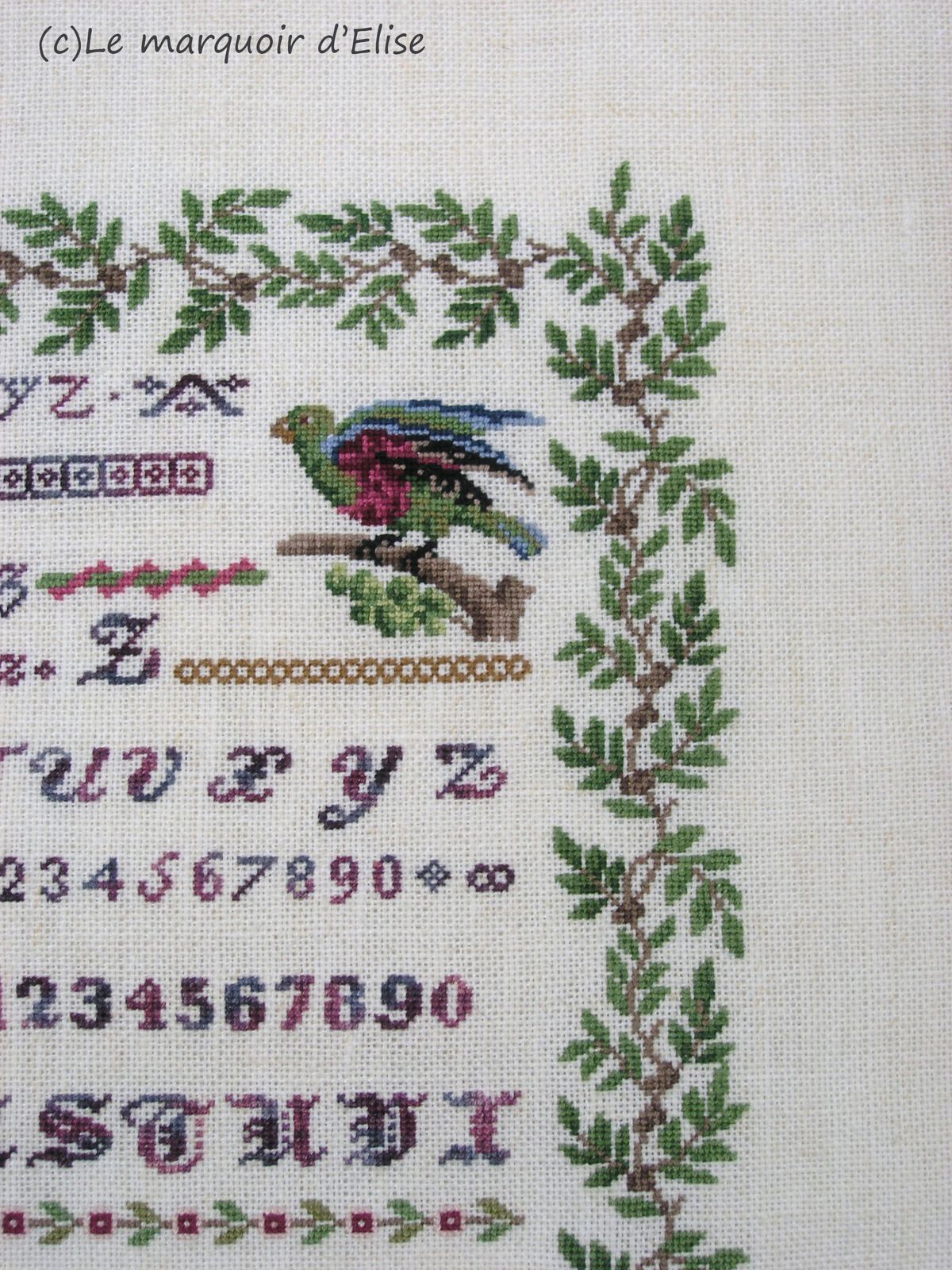
Les lecteurs les plus assidus et les plus fidèles se souviendront peut-être des débuts d'Artémis... wink même si la décence m'empêche ici de rappeler l'année où les premières croix ont été posées sur la toile... Or donc, bref, les circonstances que l'on connaît en cette année 2020 ayant eu pour conséquence, entre autres, de modifier mon planning créatif, j'ai pu en profiter pour reprendre des ouvrages laissés en attente... et enfin les terminer ! Ce qui est le cas pour le marquoir d'Artémis, et je vous renvoie au blog de Marlie pour en savoir plus sur cette fillette, pour lequel il me restait principalement la très longue, très verte et fournie frise du tour.

If you've been following this blog for some time, you may remember little Artémis' debuts in society... and yes, that was THAT long ago! Like many, my creative planning was a bit shaken up this year, so I took the opportunity to tackle various works that had been patiently waiting to be finished for ages. Among them was the reproduction sampler of Artémis Chevassus (check Marlie's blog for more stuff on Artémis), for which the green and very leafy (and very long) border still remained to be stitched.


Brodé sur lin 12 fils en 1/1, toile et fils DMC sauf pour les écritures (fil Un fil un rêve)

Stitched in 1 over 1 on 32-ct DMC linen; DMC threads except for the writing (thread by Un fil un rëve)


A très vite ! See you soon!

Voir les commentaires

Rédigé par Emmanuelle

Publié dans #Point de croix

Publié le 2 Avril 2020

Bon, j'ai un peu tricoté ces derniers temps, pour moi ou pour les autres... Je vous montre...

A quick update on my recent knitting projects...


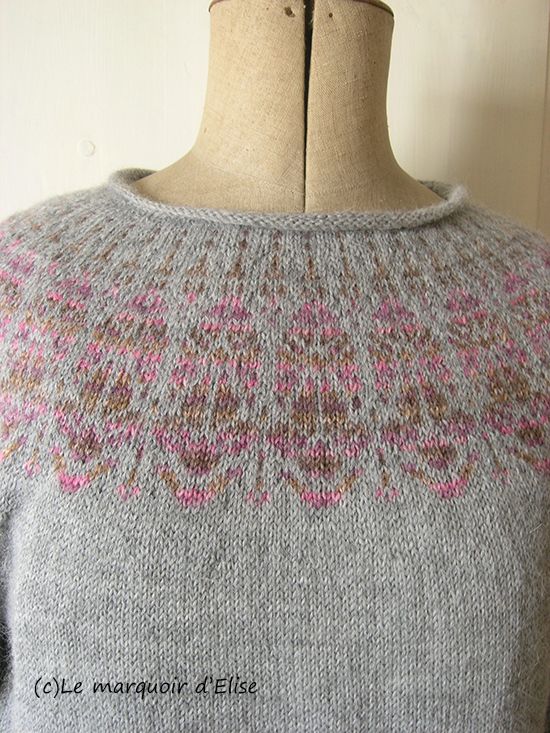
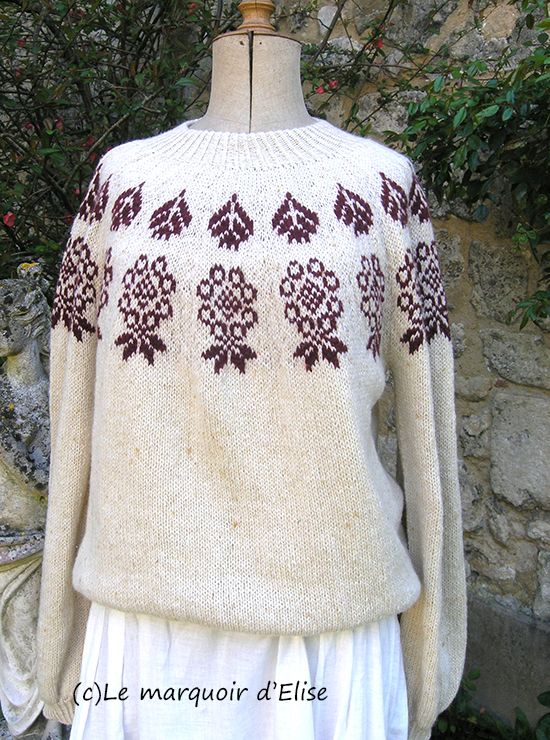
Des pulls, avec le Chauncey D'Isabell Kraemer... (Ravelry)

Sweaters, with Isabell Kraemer's Chauncey to begin with (Ravelry)


Fil Drops Nord et Fabel/ Drops Nord and Fabel yarns


Puis le Boyscout, d'Alice Hammer (Ravelry)

Followed by Alice Hammer's Boyscout (Ravelry)


Fil Loch Lomond, de BC Garn/BC Garn's Loch Lomond yarn


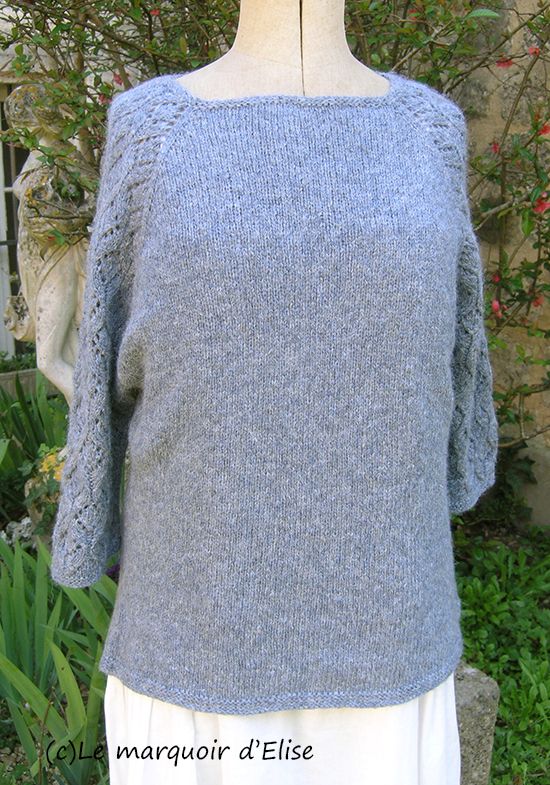
Et enfin le Blue Nostalgia de Drops Design

And then came Drops Design's Blue Nostalgia pattern


Fil/yarn: Drops Sky


Bon, vous me connaissez, j'ai quand même réussi à glisser un châle au milieu des pulls !
In between I managed to squeeze a shawl... obviously!


Modèle Wivre offert par Camille Tricote pas tout, fil 6 Karat de Schoppel Wolle

The Wivre pattern offered by Camille Tricote pas tout, using Schoppel Wolle's 6 Karat yarn


Et voilà ! Un peu de couture à suivre... A très vite et prenez soin de vous !

Some sewing to come next. In the meantime, stay home and stay safe, every one!

Voir les commentaires

Rédigé par Emmanuelle

Publié le 21 Janvier 2020

Outre l'admiration et l'étonnement qu'ils suscitent, les samplers et les marquoirs anciens ont ce pouvoir de nous ouvrir les portes d'un autre monde, un monde où des petites filles (et même des petits garçons), parfois juste âgées de 7 ou 8 ans, brodaient, sur des toiles si fines qu'il nous faut une loupe pour en compter les fils, des chefs-d'oeuvre de patience et de raffinement. On les imagine souvent mal éclairées, clignant des yeux sur leur toile, mais remplies de fierté quand elles mettaient les dernières croix en signant leur ouvrage. Pour qui prend le temps de les déchiffrer (Meriem est très forte à ce jeu-là !), ces samplers savent raconter des histoires : là un texte, ici un motif, et comme Alice passant à travers le miroir, on pénètre à pas feutrés dans un univers qui n'a quelquefois rien de très enfantin.

Antique samplers have the stunning ability to arouse admiration and amazement alike. They are also a gate to a different world entirely, a world where little girls (or boys!), sometimes no older than 7 or 8, would patiently embroider refined masterpieces on such delicate linen that a magnifying glass is needed to count the threads. It is tempting to conjure up pictures of these children getting eyestrain in poorly lit rooms, ultimately proudly handing over to their parents their finished pieces. These samplers tell stories, provided you take the time to listen to them(what Meriem does). Your eyes catch a text, a motif, and you find yourself gingerly stepping through the looking glass like Alice into a world sometimes very far from a childlren's story.


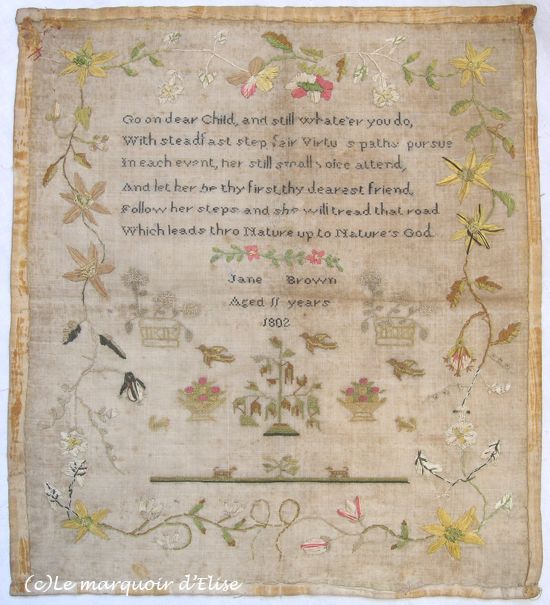
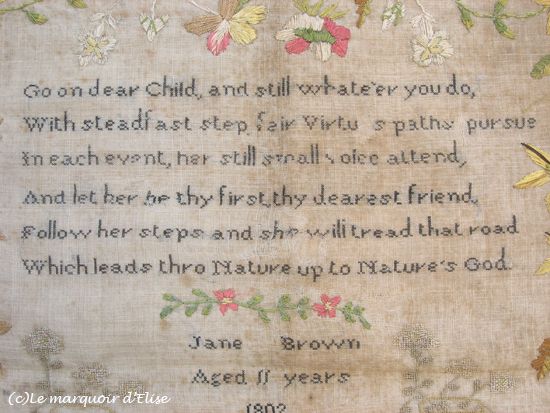
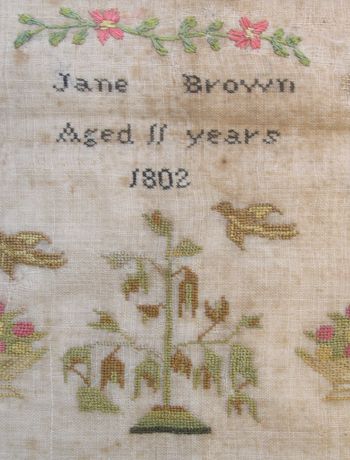
Voici Jane Brown. En 1802, âgée de 11 ans, Jane met les dernières croix sur son sampler. Sa famille est sans doute assez aisée car elle a brodé son ouvrage en fils de soie. 

Meet Jane Brown. In 1802, aged 11, Jane worked the last stitches on her sampler. Her family was obviously well-off enough to afford a few yards of silk threads.

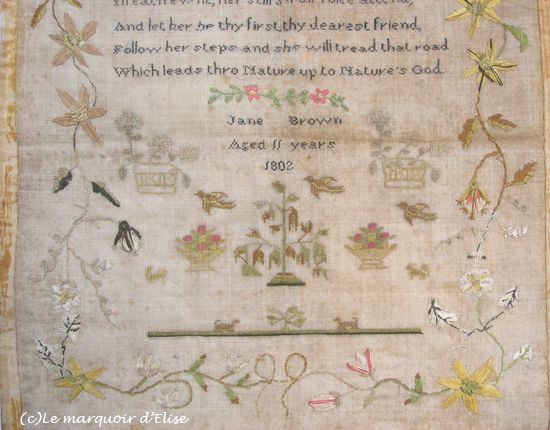
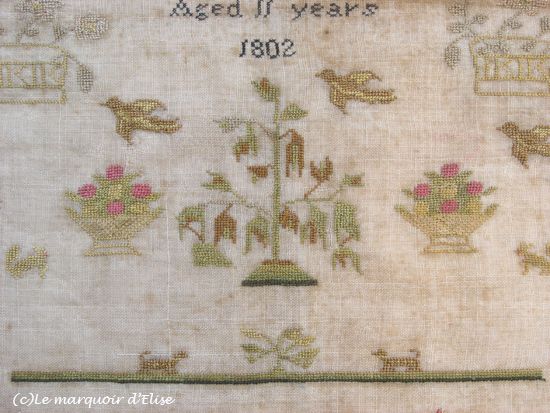
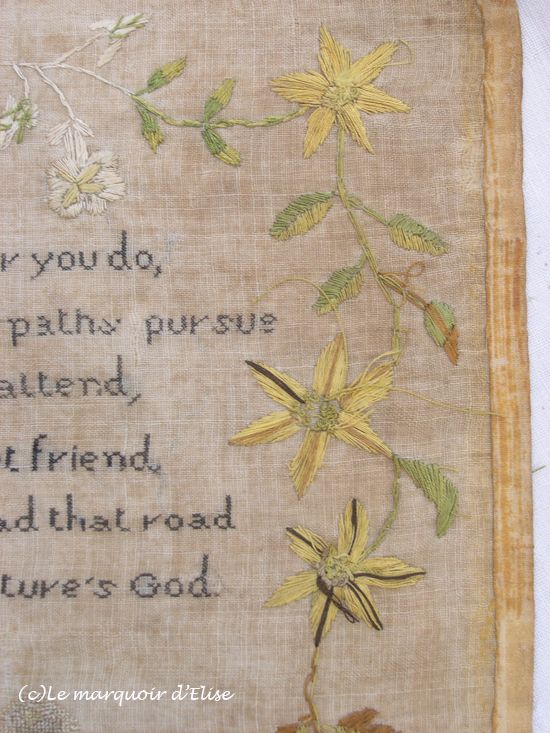
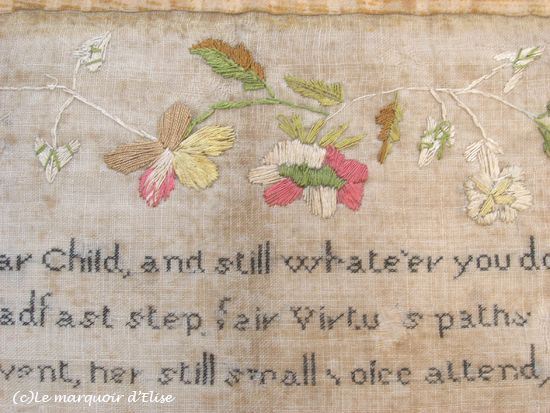
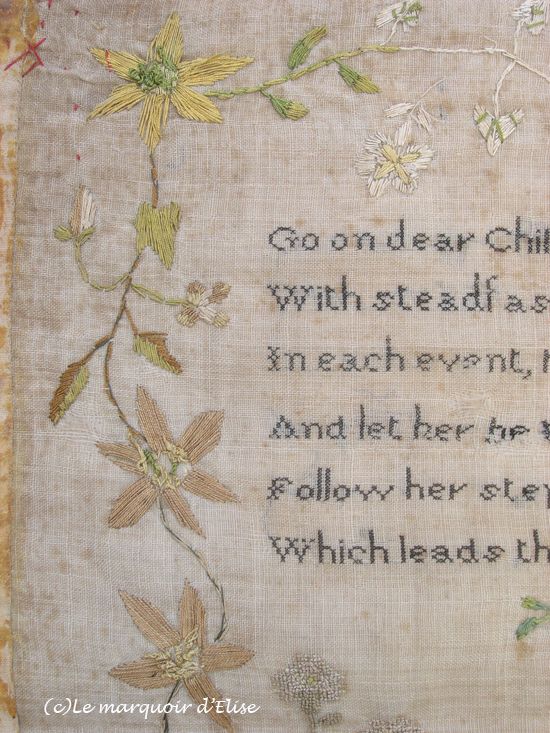
La composition en est classique : un texte et des motifs de fleurs, de paniers de et petits animaux, disposés symétriquement, et enfin au centre la signature de l'artiste. Autour, comme il est de coutume, une frise de fleurs, mais celle-ci a la particularité de ne pas être répétitive et d'utiliser des points de broderie traditionnelle.
The canvas displays various classic designs laid out quite symetrically under a text and the stitcher's signature in the center. The customary frieze of flowers circling the sampler was worked using traditional embroidery stitches and changes from the usual repetititive friezes.


Jane a brodé son ouvrage sur une toile si fine qu'elle a dû, en cours de route, doubler son travail d'un morceau de batiste. Elle a donc d'abord brodé le texte et les motifs au point de croix, puis la frise de fleurs en broderie traditionnelle une fois son ouvrage doublé, et elle a sans doute terminé par la petite branche centrale, son nom, son âge et la date. Ça, c'est le dos qui nous l'apprend !
Jane began stitching on a very sheer linen, to such an extent that she as obliged to line her work with a fine cotton cambric to be able to embroider the frieze. A wee keek at the back of the sampler is enough to guess that she embroidered the text, her name and the crosstitched motives first; then once the linen was lined, she worked the frieze, the small vine under the text, and probabaly ended with her name, age and the date of completion.


Pour finir, quelques points (des initiales ?) ont été ajoutés au dos, en haut à droite. Il s'agit d'un fil rouge en coton, cette couleur n'est pas utilisée dans l'ouvrage de Jane, le fil est partiellement visible sur l'endroit et il recouvre la fleur jaune. C'est vraisemblablement un ajout ultérieur, peut-être une marque de collection ?

At the top right corner of the back, one can notice a few additional stitches, using a red cotton thread that does not appear elsewhere in Jane's sampler. It is noticeable also on the right side (top left corner), partly overlapping the yellow flower. These stitches (initials?) were presumably added later, and could be a collector's mark.


Les samplers anglo-saxons ont la particularité de présenter des textes brodés, religieux souvent, moralisateurs encore plus fréquemment. Il est toujours amusant d’essayer d'en identifier la provenance (merci l'Internet et l'accès en ligne aux anciens ouvrages numérisés !), d'autant plus qu'ils peuvent se révéler précieux pour en savoir un peu plus sur nos petites brodeuses (voir Mary Glover par exemple). Alors que nous apprend le texte choisi par Jane ?

A specific trait common to most anglo-saxon samplers is the presence of embroidered texts. These are often religious quotations, though not always, and most of the time they convey a moralistic message. It is rather fun to try and identify the sources (praised be the Internet and the online access to numerized ancient publications), all the more so since they provide a valuable insight into the world of these young stitchers (see Mary Glover for instance). So what can we learn from Jane's choice?

Visiblement nous avons affaire à un fragment de poème. Le poème est publié in extenso dans un ouvrage de l'Anglaise Dorothy Kilner (1755-1836), connue également sous le pseudonyme de Mary Pelham et qui fut une prolifique auteur pour enfants. Le livre en plusieurs volumes (le poème est dans le volume III) s'intitule Dialogues and letters on morality, oeconomy and politeness for the improvement and entertainment of young female minds (Dialogues et lettres sur la moralité, l'économie et la politesse pour le développement et le divertissement des jeunes esprits féminins), publié à Londres en 1780. Il se présente sous la forme de dialogues et de lettres échangés entre la jeune Harriot Seamore et sa maman (Mary Seamore, 'Mamma'), sa grand-mère Mrs Harcourt, sa sœur Elizabeth (Betsey) et sa tante Mrs Bartlate. À travers ces échanges ponctués d’anecdotes et de petites histoires très morales, mais volontairement divertissantes car pour l’auteur, c’est ainsi que l’éducation est plus efficace, la jeune Harriot apprend à travers l’enseignement de ses sages aînées les bons usages, les bonnes manières, la valeur du travail et de la vertu, etc. Le poème apparaît dans une lettre d'Harriot à sa tante, dans laquelle elle lui raconte qu'alors qu'elle avait déchiré sa robe en jouant, sa mère ne la gronde pas, mais lui demande de la raccommoder. Ce qui provoque chez Harriot, qui déteste repriser, une crise de larmes... Toutefois sa mère insiste sur la fait qu'elle doit le faire, et plus tard lui fait passer par la bonne Betty un long poème écrit à son intention, dans lequel, tout en la réconfortant, elle lui explique, en substance, que si les larmes sont utiles pour des choses graves, il ne faut pas pleurer pour des futilités et au contraire affronter les petites contrariétés avec vertu et noblesse d'âme (tout ça sur 5 pages). 

Clearly it sounds like a poem of some sort. So I did my research and found out that the whole poem was published in a book by Dorothy Kilner (1755-1836), aka Mary Pelhman, a prolific English writer of children's books. The 'Dialogues and letters on morality, oeconomy and politeness for the improvement and entertainment of young female minds' was published in London in 1780 in several volumes. The protagonists are young Harriot Seamore, her mother Mary Seamore (Mamma), her sister Betsey, her grand-mother Mrs Harcourt,  and her aunt Mrs Bartlate. Through a series of dialogues and letters between these women, in which are told various anecdotes and very moral stories, young Harriot learns from her wiser elder how to be in the world, to behave virtuously, the value of work and virtue, etc. For the author, education is better paired with a measure of entertainement, since the latter makes education more efficient. The poem appears in the third volume, in a letter from Harriot to her aunt Mrs Bartlate, in which she tells her of how, as she had torn her frock at play, her mother does not dress her down, instead she asks her to darn it. Young Harriot hates darning, so she begins to cry, upon which her mother insists on her doing as she is told. Later, Mamma sends her a five-page long poem of her own in which, while conforting her daughter, she tells her that (in a nutshell) crying should be reserved for serious matters and trifles should be dealt with with virtue and a noble soul.


Les quelques vers choisis par Jane pour son sampler sont à la fin du poème. Jane aimait-elle particulièrement cet ouvrage ou ce poème, l'a-t-elle choisi délibérément ou lui a-t-on soufflé l'idée ? Peut-être le connaissait-elle, presque par cœur, car en le brodant elle a oublié deux vers...

The few verses that Jane chose for her sampler sit towards the end of the poem. Was Jane particularly fond of this book, or this poem, did she choose it deliberatly or was it someone else's suggestion? Maybe she loved and knew this poem almost by heart actually, since she forgot two verses in her stitched version...


[...] Go then, my child, and still whate'er thou do

With steadfast step fair Virtue's path pursue:

In each event still let her by thy guide,

Not for a moment deviate from her side,

In each event her still small voice attend

And let her be thy first, thy dearest friend,

Follow her steps and she will tread that road

Which leads thro' nature up to nature's God [...]


On peut supposer que la petite Jane aura elle aussi suivi le chemin de la vertu...

Young Jane certainly followed Virtue's path herself...


Je reviendrai sur ce livre plus tard, car j'y ai trouvé un intéressant passage sur... les samplers brodés ! A très vite !

I'll come back later on that book, I found an interesting mention of... embroidered samplers! Stay tuned!

Voir les commentaires

Rédigé par Emmanuelle

Publié dans #Marquoirs anciens

Publié le 12 Janvier 2020

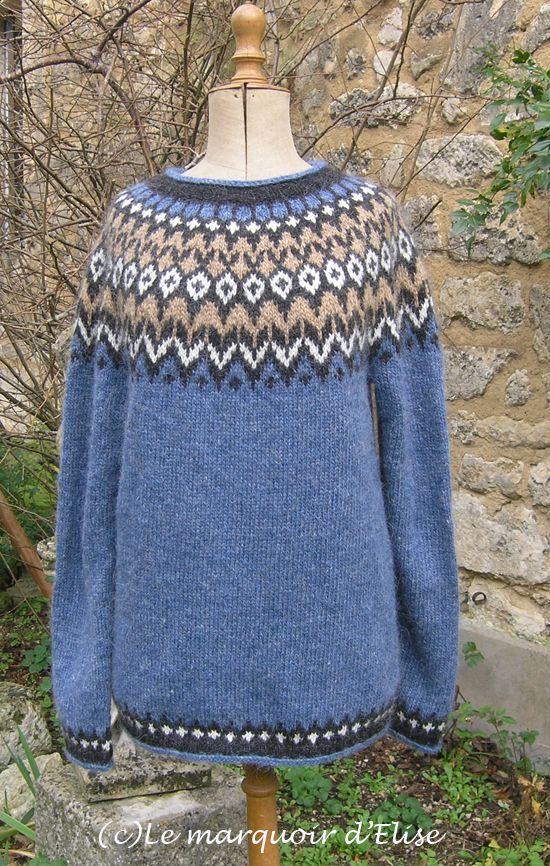
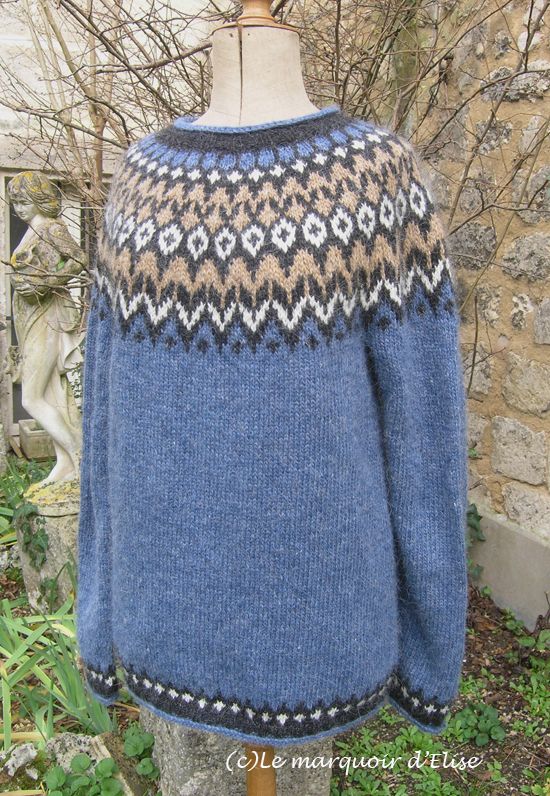
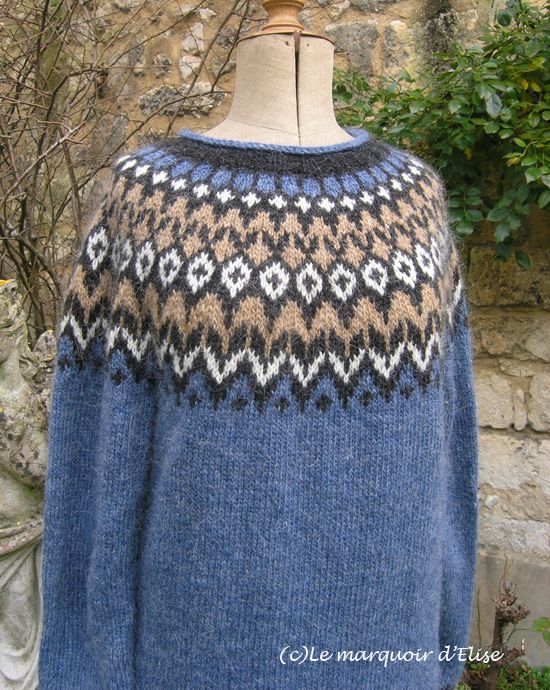
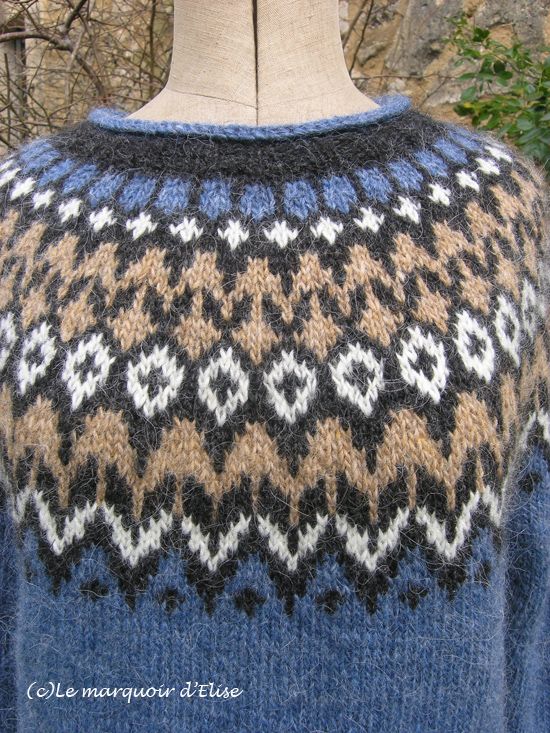
On ne présente plus le célèbre modèle islandais Riddari ! Enfin, si, on peut quand même ! wink Il s'agit d'un modèle créé par  Védís Jónsdóttir, et une rapide recherche sur Ravelry ou sur internet en général vous plongera dans un monde de jacquard coloré et laineux. En voilà ma version (taille homme, XL).

Is it still necessary to introduce you to the famous Riddari icelandic sweater? Maybe it is, so I'll gladly let you know that the pattern was created by  Védís Jónsdóttir. A quick glimpse at Ravelry or at Internet images will enable you to dive into a wooly world of deliciously stranded-colored yokes. So I made one too (man size, XL).


Le modèle en français est disponible chez Triscote. 

Pattern available at Ravelry in various languages.


Tricoté en Lettlopi de Istex (bleu fjord, orge, anthracite et naturel), en rond depuis le bas selon la méthode islandaise traditionnelle. La laine vient aussi de chez Triscote. C'est chaud, et ça gratte comme il faut !

The sweater is knit in the round and bottom up according to the traditional icelandic technique, using Lettlopi yarn by Istex (purchased at Triscote together with the pattern in French) in Fjord blue, black heather, white and barley. Warm and itchy!


Pour finir, je voudrais remercier les quelques personnes qui ont eu la gentillesse et pris la peine de laisser un petit mot sous le précédent post...

I also would like to thank the (very) few persons who were kind enough and took the time to leave a lovely comment under the previous post...


A très vite !

Voir les commentaires

Rédigé par Emmanuelle

Publié dans #Tricot

Publié le 1 Janvier 2020

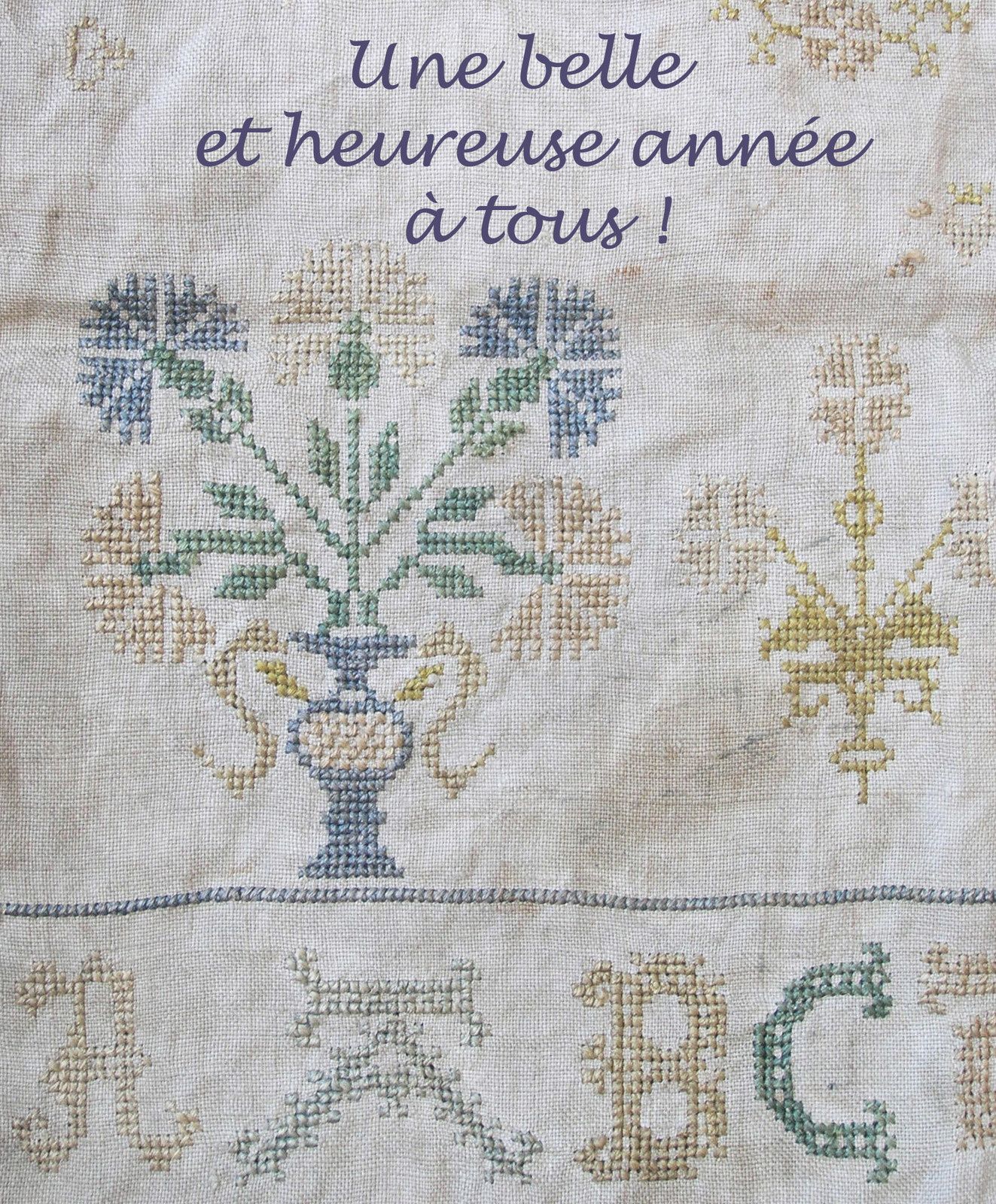
Une très belle et heureuse année à tous ! 

A very happy New Year to all!


Voir les commentaires

Rédigé par Emmanuelle

Publié dans #Divers

Publié le 24 Novembre 2019

Ça faisait un moment que je n'avais pas cartonné, et ça me démangeait un peu ! wink Et puis il y avait cette petite broderie, les Souris gourmandes de Tralala réalisée en SAL avec Isabelle l'an dernier, et qui attendait bien sagement sur la pile... donc zou, cutter, carton, colle, et c'est parti !

Ages since I last made a carboard box, time flies frighteningly quickly. And I got that crosstitch work I made last year as a SAL lead by Isabelle. So I really has no other choice than to grab my cardboard, cutter and glue and fashion up a wee box...


 Et voilà !


A très vite !

See you soon!

Voir les commentaires

Rédigé par Emmanuelle

Publié dans #Cartonnage, #Point de croix

Publié le 21 Novembre 2019


A très vite !

Voir les commentaires

Rédigé par Emmanuelle

Publié dans #Divers

Publié le 18 Octobre 2019

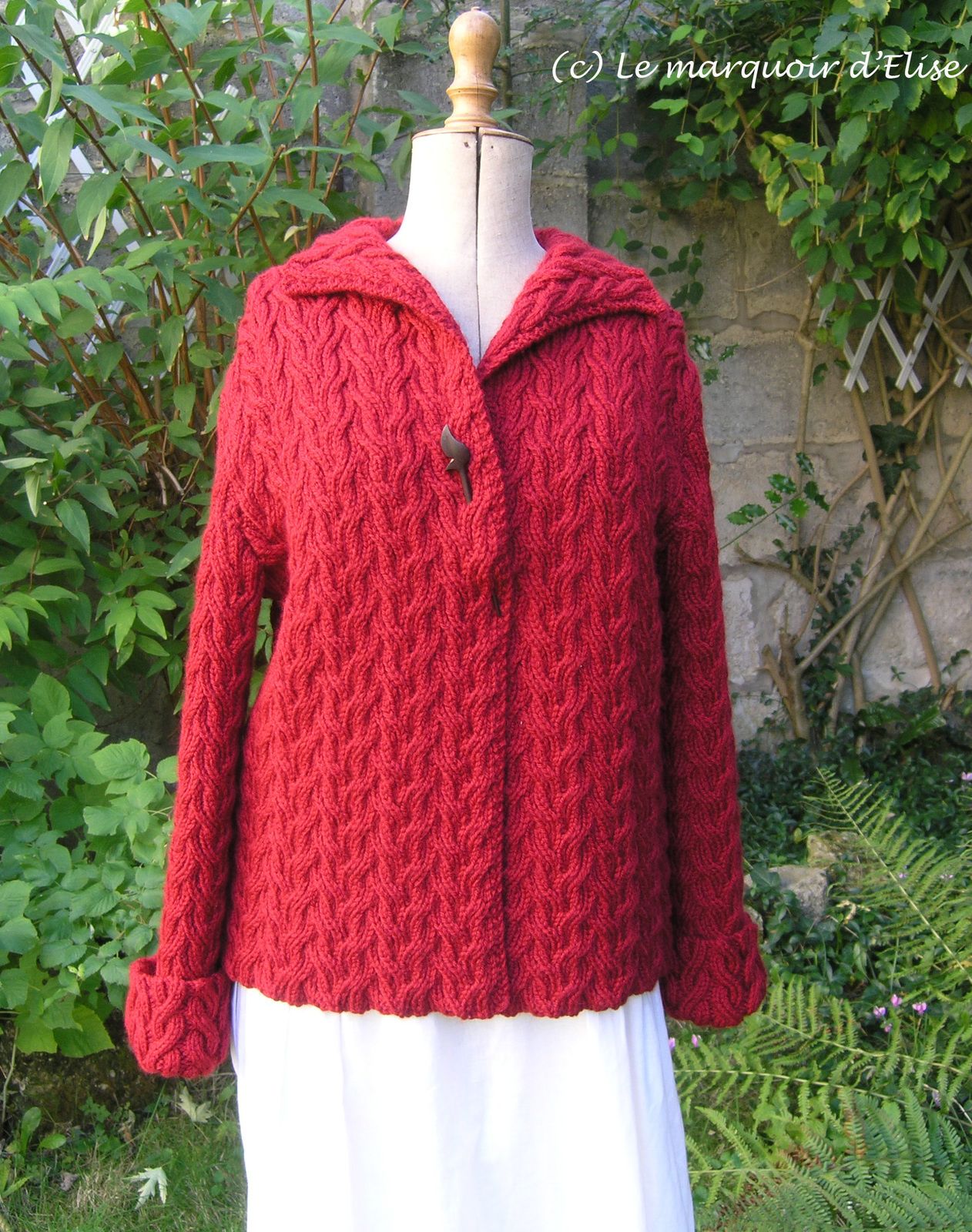
Pas très active sur le blog, vous m'en voyiez désolée, mais au moins je m’active avec mes aiguilles ! La preuve !

I may not be very present on my blog these days (sorry about that), but here is the proof that I have been busy with my needles though.


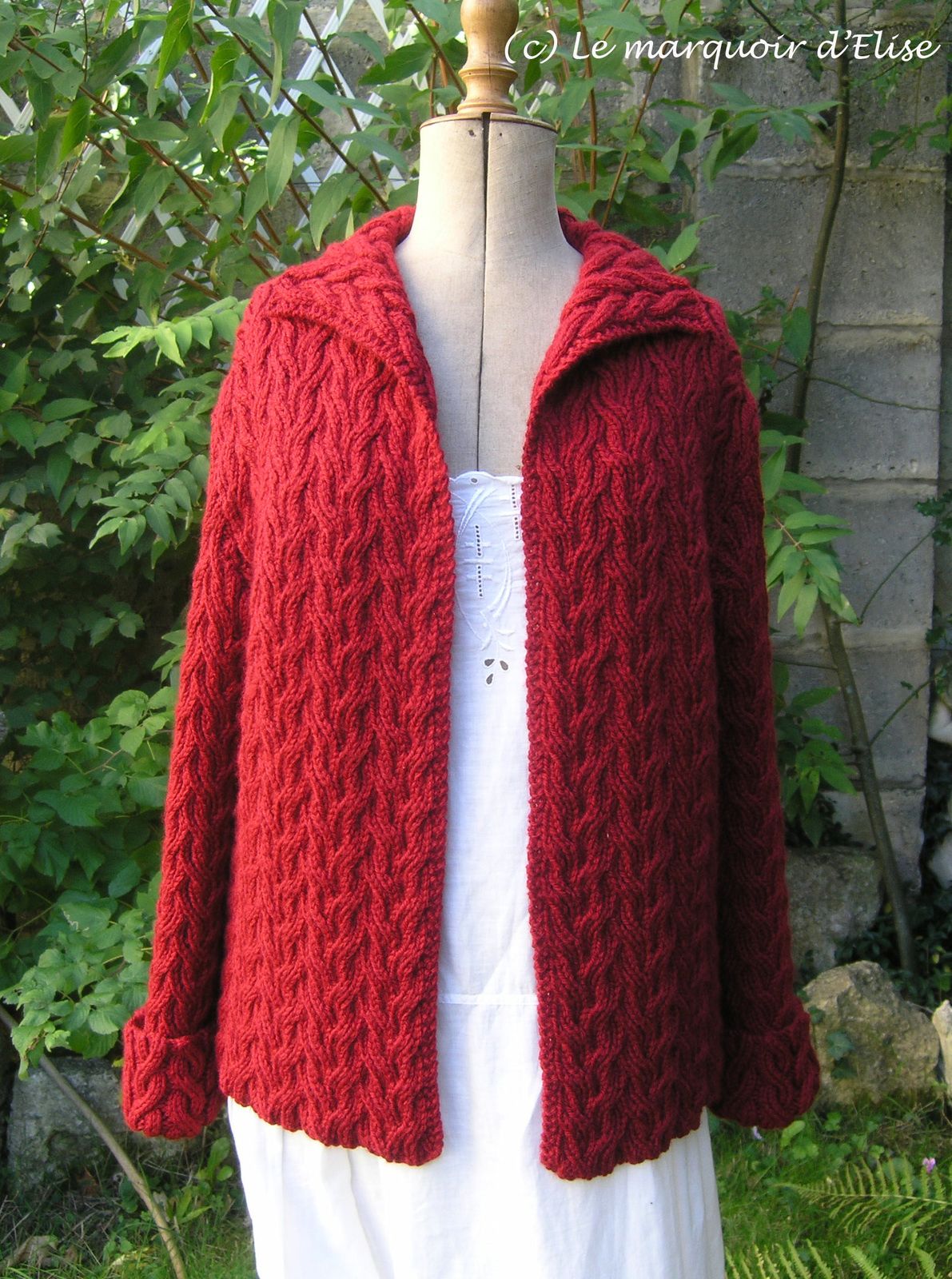
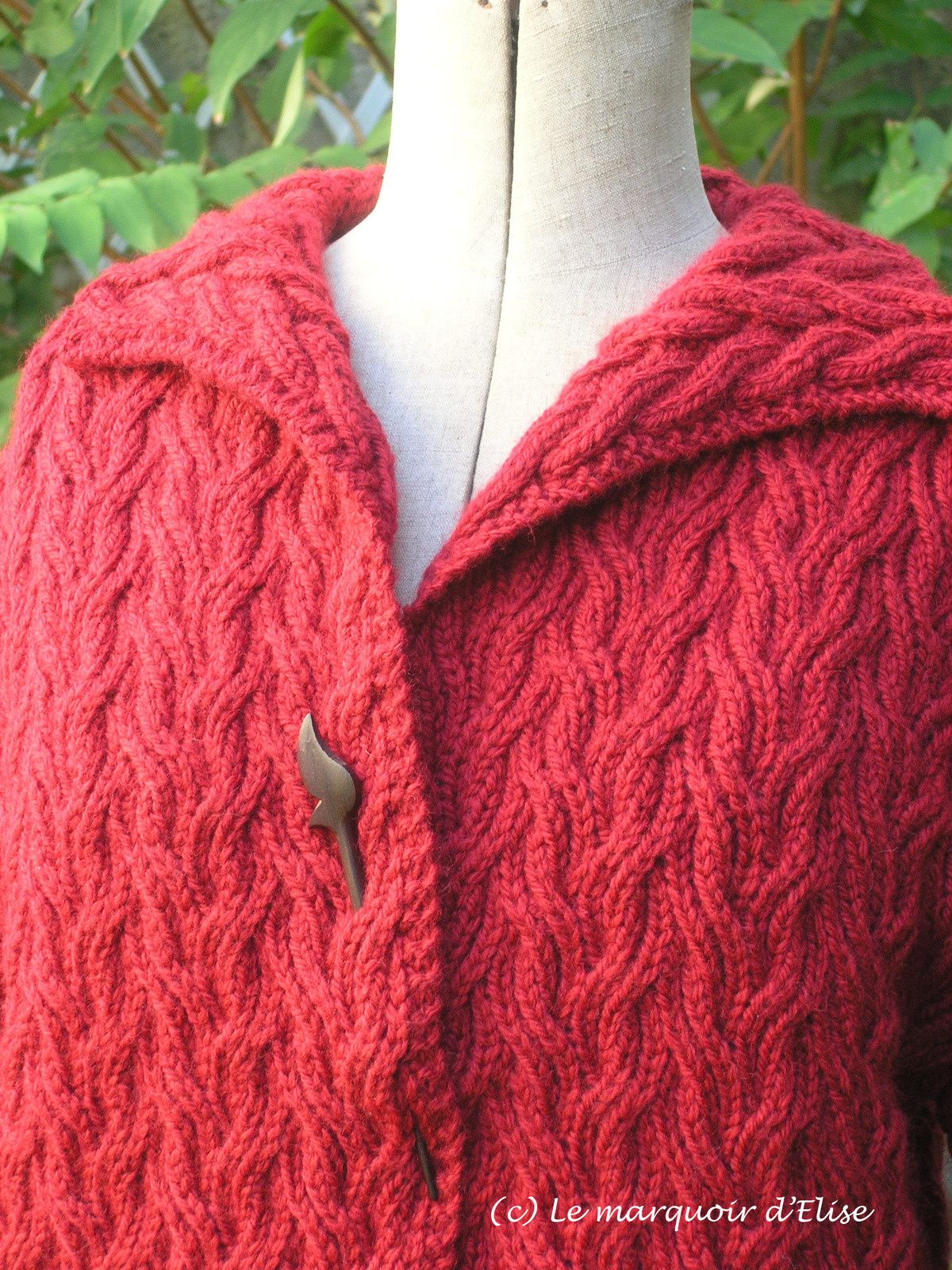
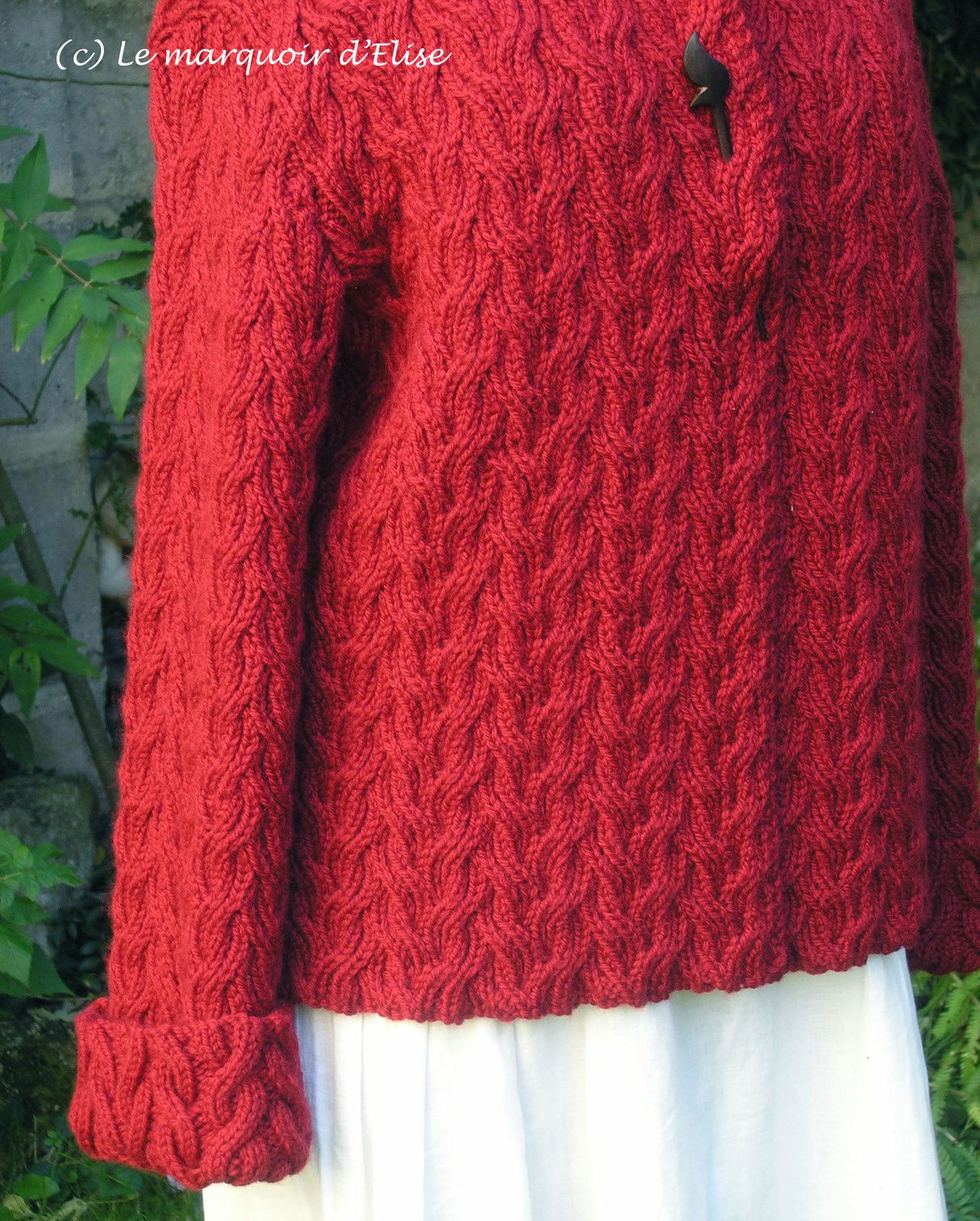
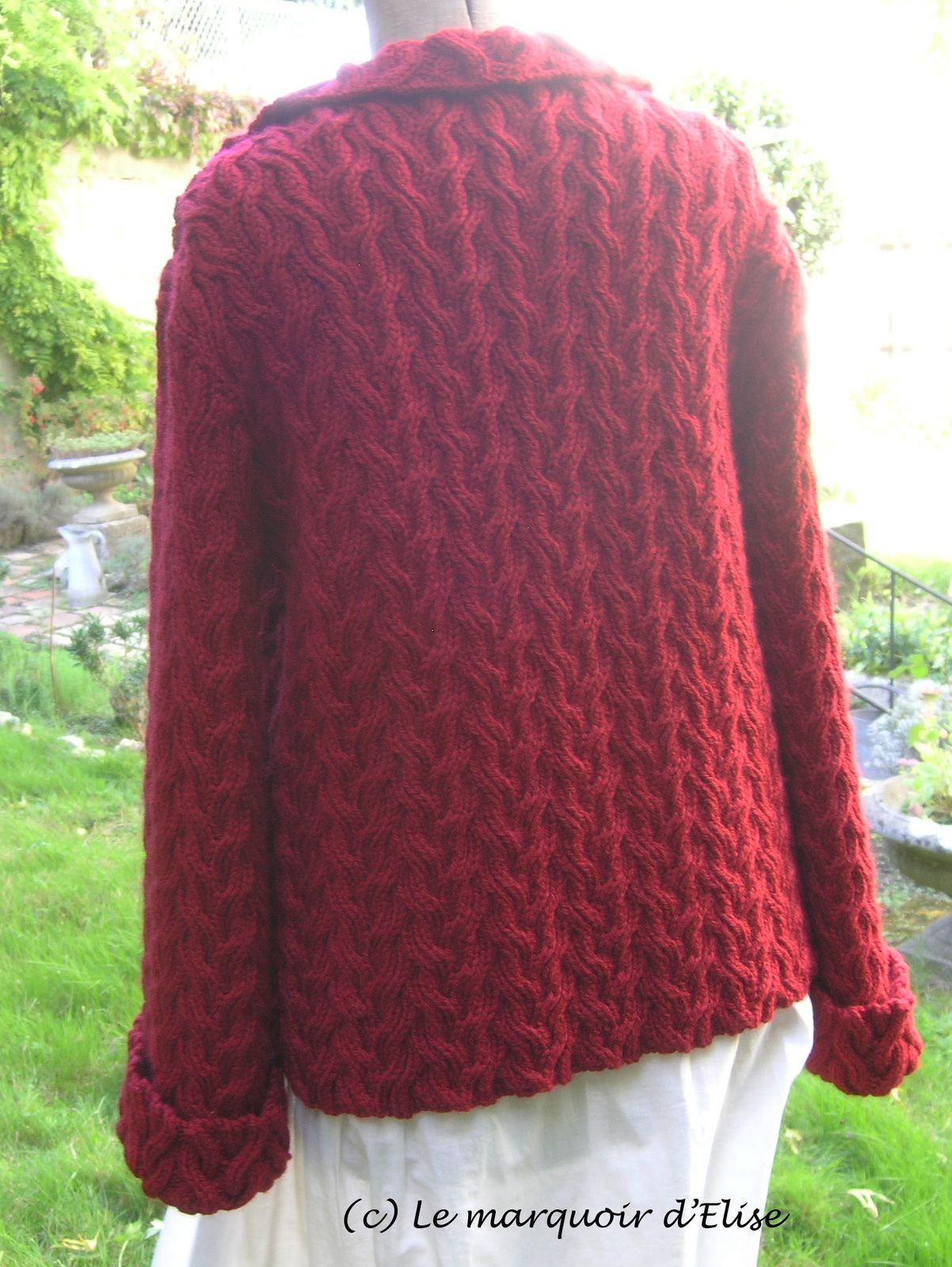
Veste courte à torsades (genre irlandais, mais pas vraiment !), un vieux modèle Bergère de France, tricoté en fil Drops Alaska rouge grenat, 100 % laine. Bon, ça a pris des plombes, toutes ces torsades... et ce n'est même pas pour moi, ah ah ah  !

This is an old pattern by Bergère de France, a short all-over-cable jacket, knit with Drops' Alaska yarn in garnet red (100% wool). It took like forever, and guess what? i'ts not even for me, ha ha!


Elle est super confortable, chaude mais légère... Alors peut-être qu'un jour je me la tricoterai pour moi, mais vous savez quoi, ben pas tout de suite !! cheeky

I'ts warm, comfy, cosy, light at the same time... So maybe, maybe one day I will knit it for myself, but you know what, I think that will wait a bit! 


A très vite les gens !

See you soon, people!

Voir les commentaires

Rédigé par Emmanuelle

Publié dans #Tricot

Publié le 14 Mars 2019

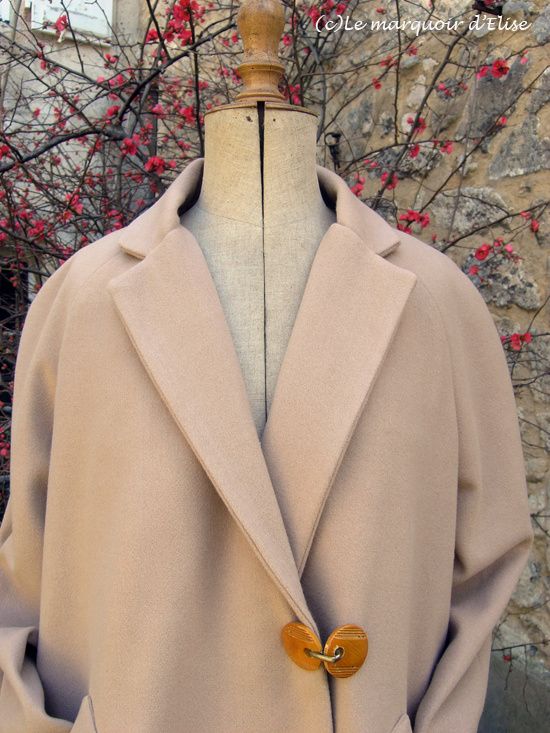
Il semble que l'hiver n'ait pas dit son dernier mot... Eh ben moi non plus, na ! cheeky  Passque j'ai un nouveau manteau ! wink

Winter's not gone yet but you know what?, I don't really care... On the contrary I'm only too happy to sport my brand new coat, ah ah! wink


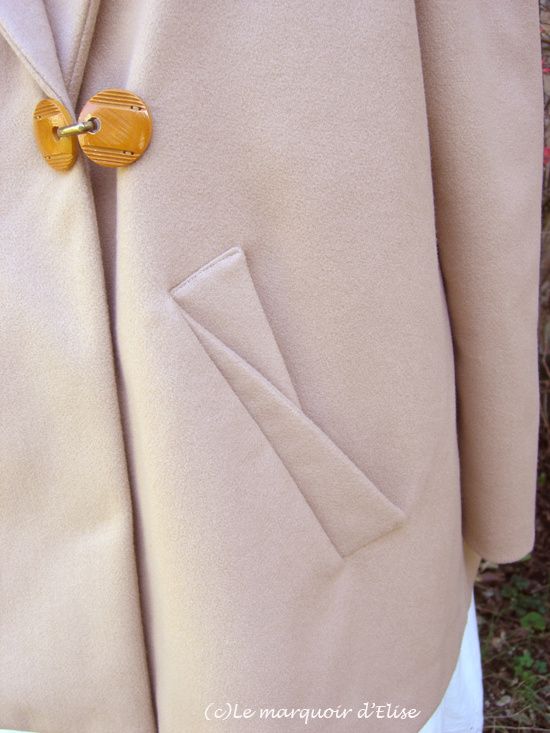
Manteau Opium, patron Deer and Doe, caban polyester camel des Coupons de Saint-Pierre

Opium coat, pattern by Deer and Doe, camal polyester caban fabric from Les coupons de Saint-Pierre


Attache vintage en bois de mon stock

Wooden vintage fastening from my stash


A très vite !

Voir les commentaires

Rédigé par Emmanuelle

Publié dans #Couture